Summer camp is about more than crafts, sports, science experiments or outdoor adventures. It’s where friendships grow in a completely different way than they do during the school year! Away from the classroom and busy schedules, kids have the chance to connect through shared experiences, teamwork and fun.
Whether your child is going into summer camp this year with a built-in friend or walking in not knowing a single person, summer camp can be one of the best places to building meaningful friendships and lifelong social/emotional skills.
Going to Camp with Friends Can Strengthen Bonds
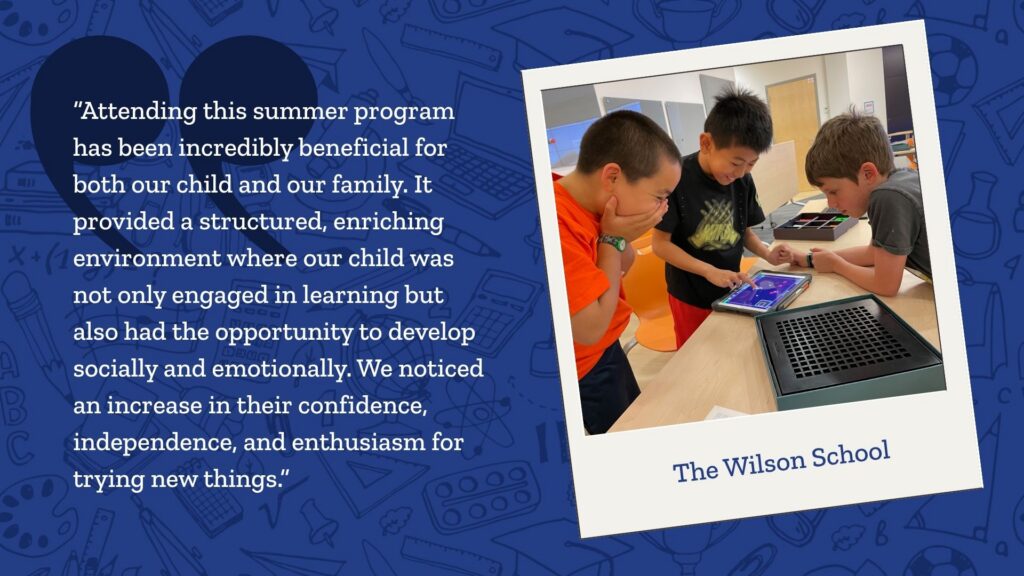
There’s something special about getting to experience camp with a friend (or even a sibling). Kids get to see each other in a new environment outside of home and school. With a different daily routine and new expectations, kids often thrive and friendships become stronger. They might work together doing a STEM challenge, cheer each other on during sports activities, or simply spend the day laughing between activities.
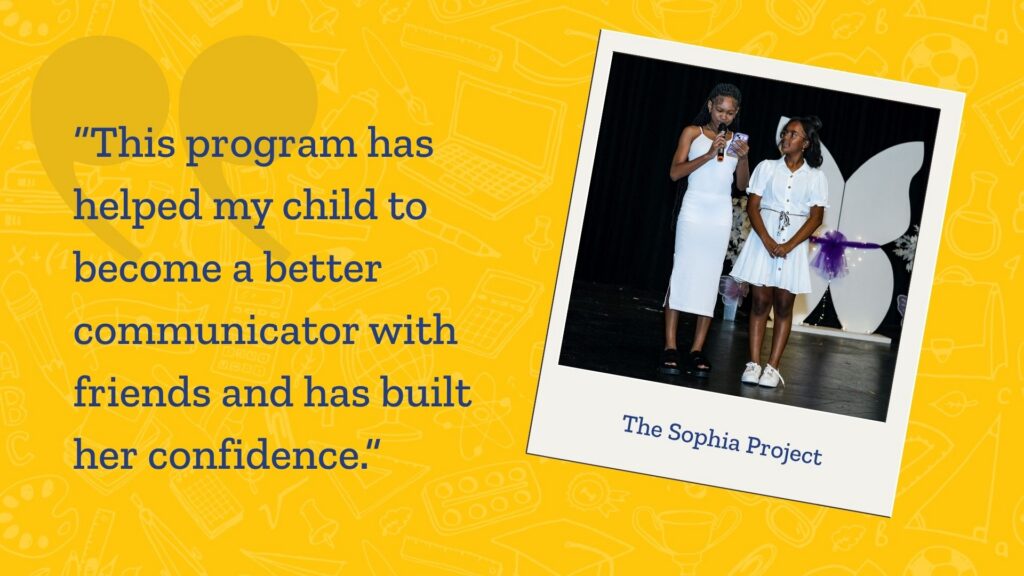
Camp helps friendships grow through shared adventures and memories, teamwork and collaboration, problem-solving together, more relaxed screen-free time together, and opportunities to build confidence side by side.
These experiences help kids strengthen important social and emotional skills like communication, empathy, cooperation, and resilience. Sometimes friendships that feel casual during the school year can even become deeper after a summer together.
What if My Child Doesn’t Know Anyone?
This is one of the biggest worries parents have about summer camp, and it’s totally normal! The good news is that tons of kids arrive at camp without knowing one other person. In fact, most campers are in the exact same situation.
Summer camps are designed to help kids connect naturally through games, activities and experiences. Making and building friendships between campers is one of the main goals of many summer programs. They want your child to feel comfortable and have fun! Camp counselors are also highly experienced at helping kids feel included and social.
For kids who feel nervous, a few simple strategies can help reduce anxiety before camp starts.
- Talk positively about the experience ahead of time.
- Remind them that most of the other campers will be new too.
- Practice simple conversation starters at home.
- Let them help choose camps and activities they are excited about.
- Focus on fun experiences rather than pressure to “make friends” right away. Most friendships will happen naturally when kids feel comfortable and have a good time.
You can also check out our blog post on preparing kids for camp here!
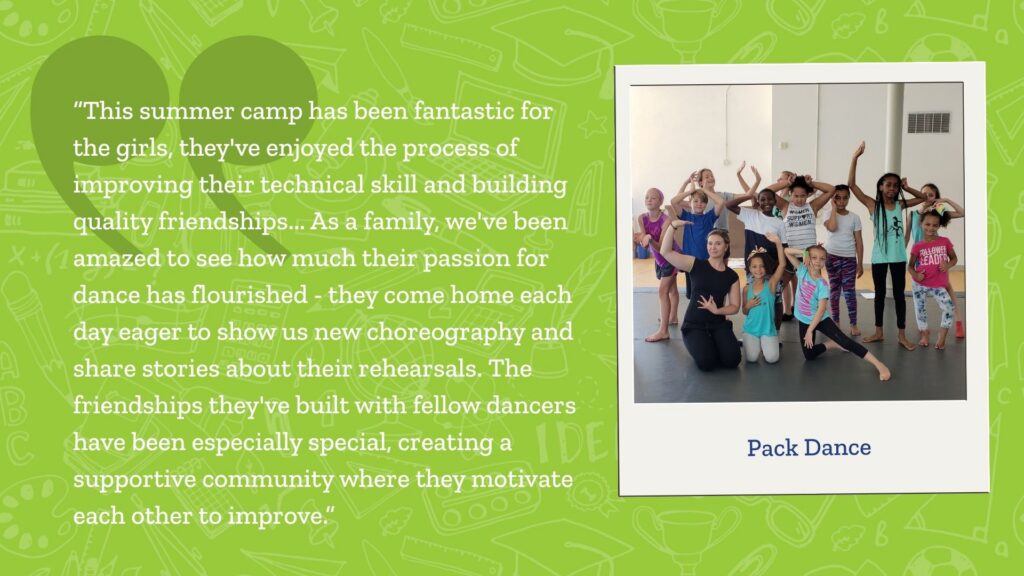
Friendships will often form faster at camp because kids are constantly participating together instead of sitting quietly in a classroom. Whether they’re building a robot, learning a dance routine, or competing in relay races, camp creates natural opportunities to connect.
Camps that Help Kids Build Friendships
The truth is, almost any type of summer camp will help kids meet new people and improve social skills. Different camps create ways for those friendships to grow.
Sports Camps
Sports camps teach teamwork, communication and how to work toward a shared goal. Kids bond quickly through games, practices and group challenges while learning to support one another.
STEM/STEAM Camps
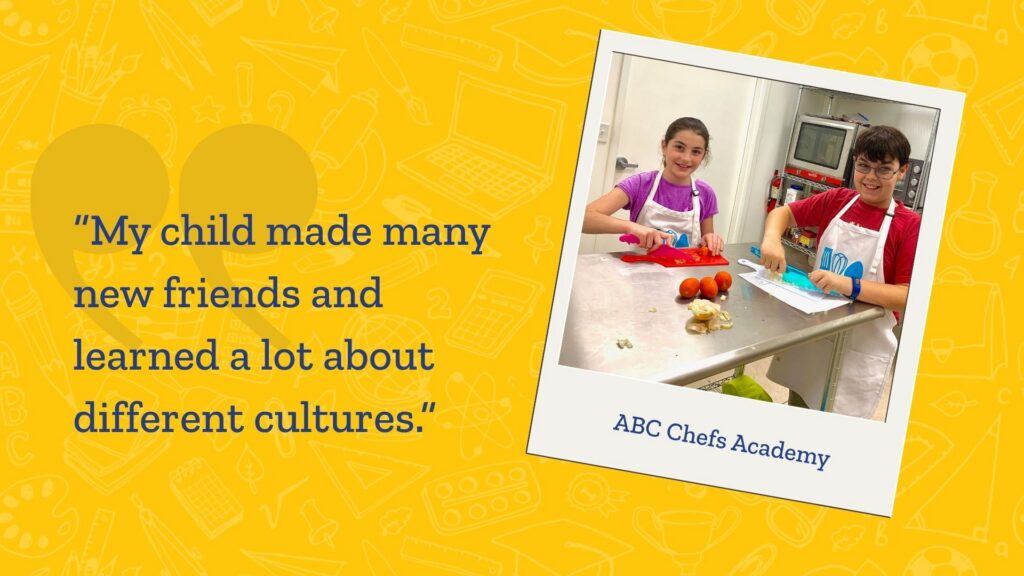
At STEAM or STEAM camps, kids often work in teams to build projects, solve problems and experiment with new ideas. Collaborating with hands-on activities creates opportunities for friendships to develop naturally through curiosity and creativity.
Art/Dance/Theater Camps
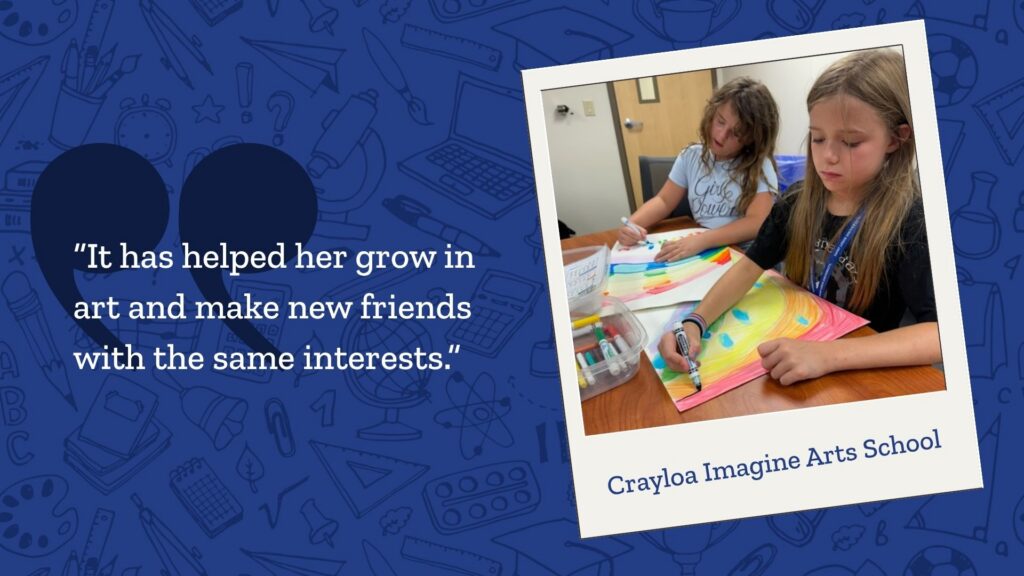
Creative camps can be especially helpful for shy or nervous kids. Movement, music, and artistic expression often help children relax and feel more comfortable socially. While art skills can be practiced individually, creating and performing alongside others makes the experience even more rewarding.
You can find these types of camps, and more at blueprint4.com. There are still several camps with openings in 2026!
Friendships Across Different Ages
Another unique part of summer camp is that kids get to interact with people outside of their normal age group of peers. Younger campers may look up to older kids, while older kids have opportunities to develop leadership and mentoring skills. These relationships help children become more confident and socially adaptable in school and in life.
Camp counselors also play an important role. They aren’t quite peers but they’re not parents or teachers either. They can become a trusted role model who offer encouragement, guidance and support in a fun and approachable way. These connections can leave a lasting impact long after summer ends!
More than Just Summer Fun
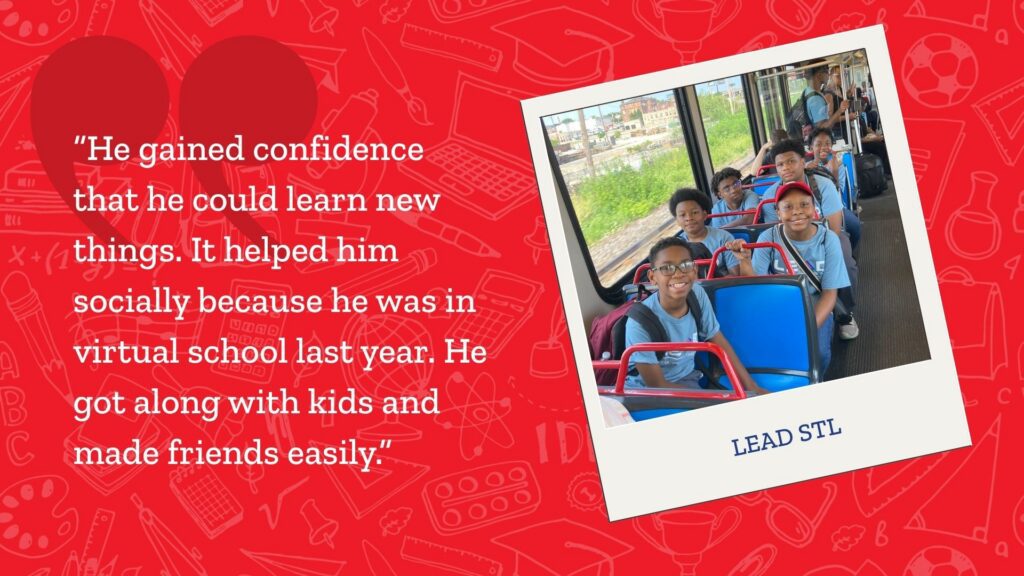
While summer camp is exciting in itself, families usually discover the biggest takeaway is the confidence their kids gained, the social skills they learned and practiced, and the friendships they built along the way.